The Challenges
Mobility-impaired egress
A significant proportion of students in special schools require assistance or alternative evacuation pathways. This limits reliance on conventional stair-based egress and introduces complexity when designing compliant evacuation strategies.
Integration into real school layouts
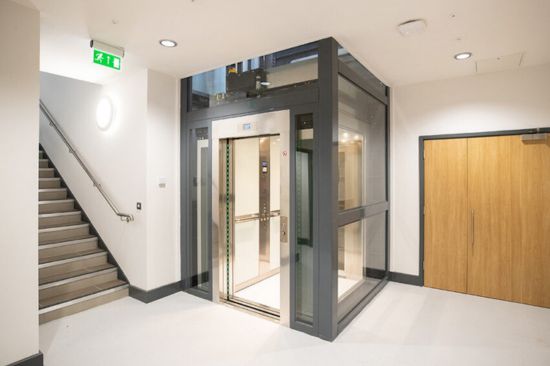
Incorporating accessible evacuation solutions — such as evacuation lifts, on-grade exits, or refuge areas — into varied school forms must be balanced against educational functionality, safety, and spatial efficiency.
Operational constraints
Emergency planning needed to reflect the time and resources required to move non-ambulant occupants, including scenarios where multiple aids or supervision may be required, while aligning with current WHS responsibilities.
Standardisation vs flexibility
Providing overarching design guidance that remains adaptable to site-specific constraints required balanced engineering judgement and close collaboration with stakeholders.
Bloom’s Impact
Improved life safety outcomes
Bloom developed the guideline to support evacuation strategies that directly address the needs of mobility-impaired occupants, improving life safety outcomes during fire and emergency events.
Support for inclusive learning environments
By embedding evacuation needs into the core of design thinking, the guideline supports safer, more inclusive school environments for all users.
Consistency in design and documentation
The framework provides clear guidance for designers and consultants, supporting consistent application of best-practice principles across special schools statewide.
Future-ready infrastructure
By considering a diverse range of accessible evacuation methods and technologies, the guideline supports adaptable, resilient school infrastructure that can respond to evolving needs and future innovations.